Buddy Baker, the Dodge Charger Daytona and the first official 200-mph lap
On March 24, 1970, Buddy Baker lapped Talladega at 200.447 mph in a winged Dodge that had once been stolen and left on blocks. Nobody had officially lapped a closed course that fast before.
Dates, speeds and the car's history checked against the NASCAR Hall of Fame and Stellantis heritage sources on Oct. 4, 2026.
On March 24, 1970, during a test session at Alabama International Motor Speedway, now Talladega Superspeedway, Buddy Baker turned a lap at 200.447 mph in a 1969 Dodge Charger Daytona. According to the NASCAR Hall of Fame, it was the first time any car had lapped a closed course at more than 200 mph.
To put that in perspective, the Hall of Fame says Baker’s lap was more than 30 mph faster than the pole speed for the 1970 Indianapolis 500. In a stock car. With a roof.
The car with a past
Chrysler engineers knew the car as DC-93, and its back story is better than most crime novels. It started life as a 1969 Dodge Charger 500 used as a magazine test car on the West Coast. Then it was stolen, stripped of many of its parts and found perched on cement blocks in the Watts section of Los Angeles.
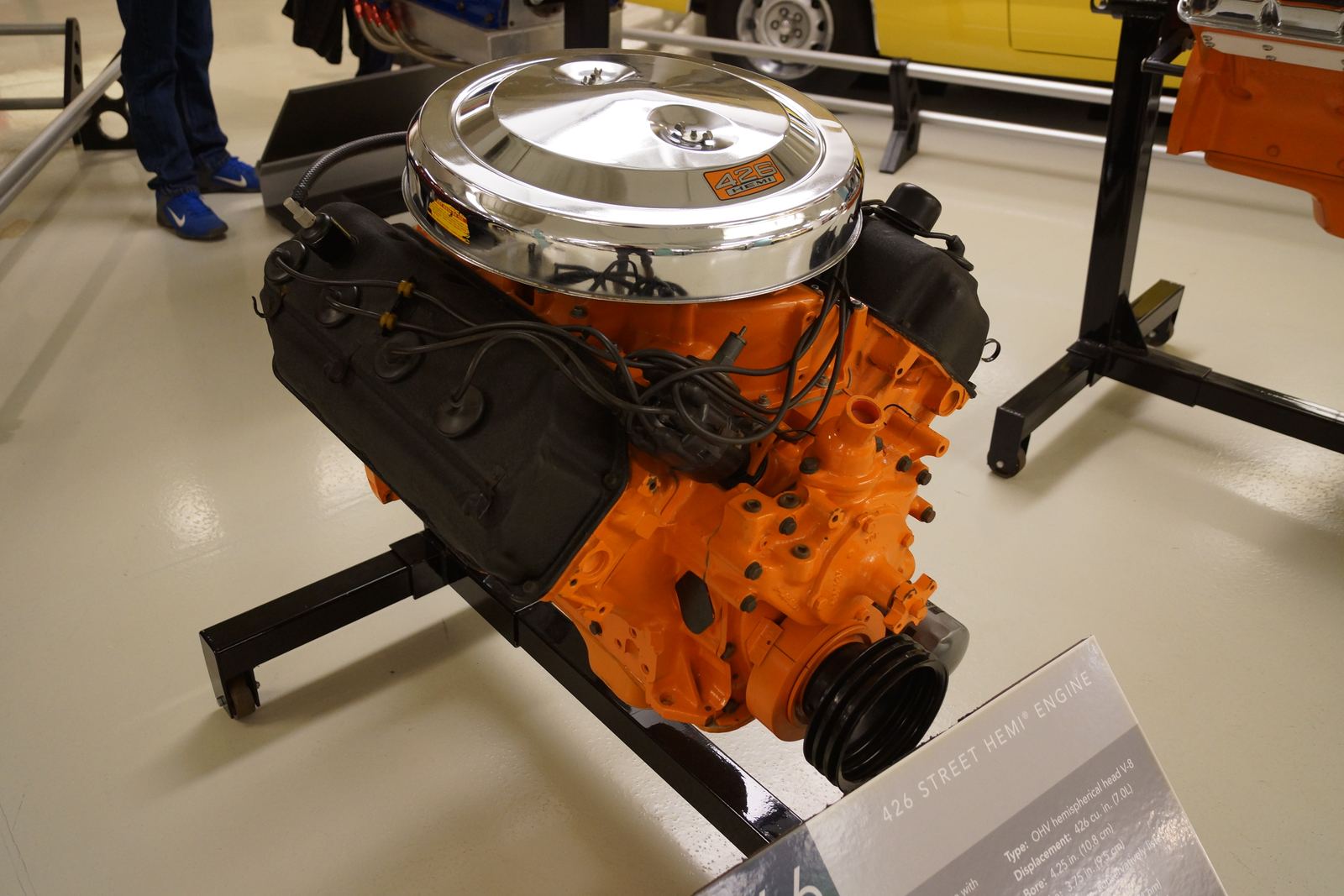
Chrysler reclaimed it and sent it to Nichels Engineering in Indiana, which rebuilt it into a proper NASCAR stock car for research and development. Fitted with the Daytona’s tall rear wing and pointed aerodynamic nose, it was tested on the 4.75-mile oval at Chrysler’s Chelsea Proving Grounds in Michigan, where it purportedly topped 205 mph in the summer of 1969. Under the hood sat Chrysler’s 426-cubic-inch Hemi.
Why the wing
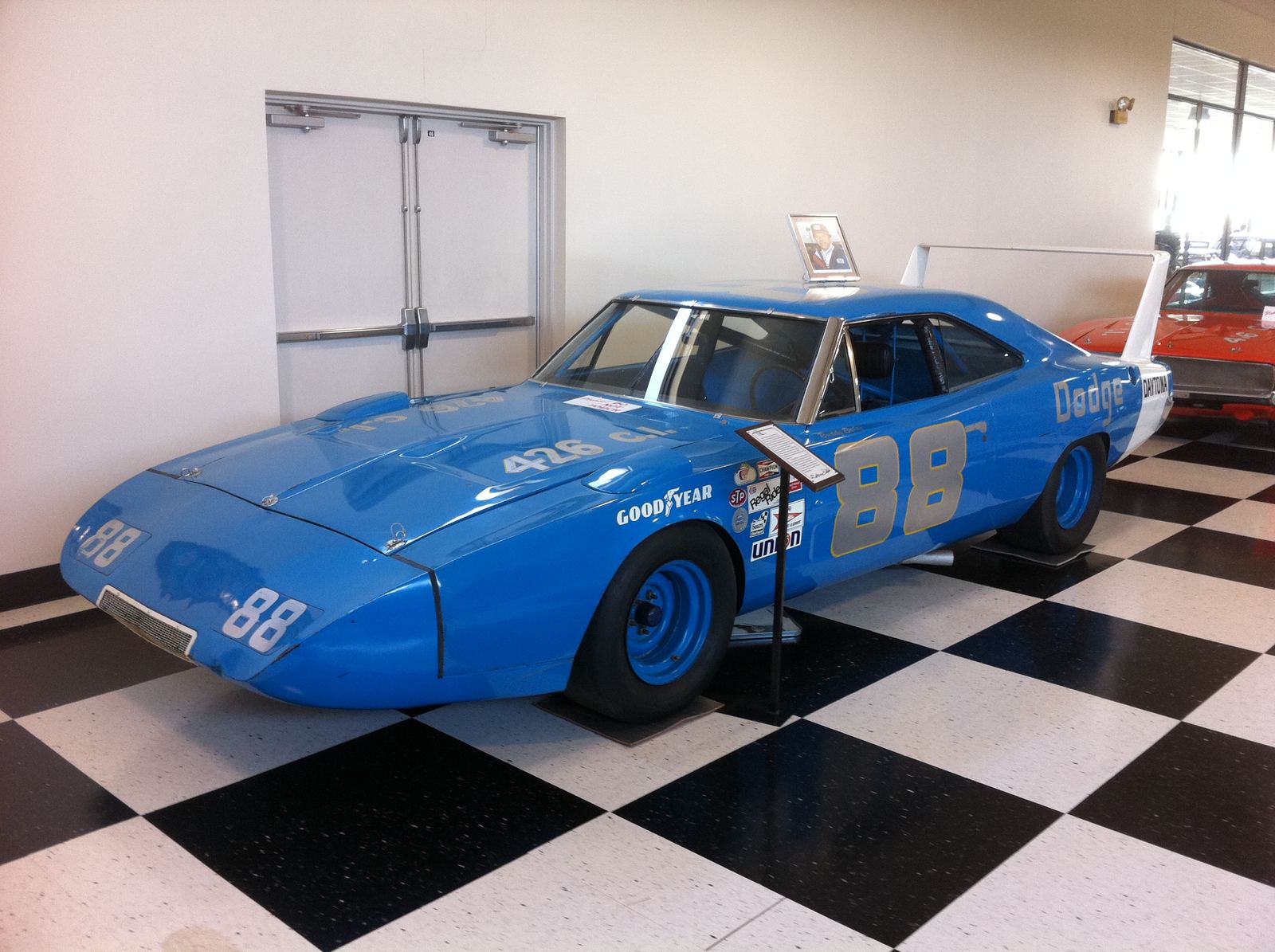
The road-going Daytona was the homologation model for Dodge’s NASCAR stock cars. Dodge built 505 of them for the 1969 model year, priced at $3,860, and its own heritage caption calls the Daytona the most conspicuously styled Dodge of all time. That is hard to argue with. The NASCAR Hall of Fame says the huge rear wing smoothed the airflow at the back of the car on fast superspeedways. It also made the Daytona very hard to lose in a parking lot.
The day itself
The morning began wet, and the track dried by early afternoon. NASCAR inspected the car before the test, and its chief timer and scorer, Joe Epton, brought his timing equipment from Atlanta so the record could be certified. Bill France was there to watch.
Baker brought the Dodge up to speed patiently. He passed 200 mph for the first time on his 30th lap, at 200.096 mph, and four laps later ran the 200.447-mph lap that became the track record.
Certification mattered to him. “We had all run 200 mph before, but not officially,” Baker later said in his book, “Flat Out and Half Turned Over.” When Dodge officials told him the next barrier was 300 mph and asked whether he wanted to break that one, he remembered his answer: “Scratch my name off that trophy.”
Where it is now
DC-93 was restored over several years by Hall of Famer Ray Evernham and his team, exactly as it set the record, with No. 88 on the right-side door and no number on the left. It is now owned by Scott Borchetta, and in 2023 the NASCAR Hall of Fame put it on display in Charlotte as part of its “NASCAR 75: Moments and Memories” exhibit.
The car in our photo is Baker’s blue No. 88 Daytona as displayed at the International Motorsports Hall of Fame in 2011. We do not claim it is DC-93 itself. Either way, it is the shape that made 200 mph official, and it still looks fast parked.